

成分
公平貿易蜂蜜
好處
Natural
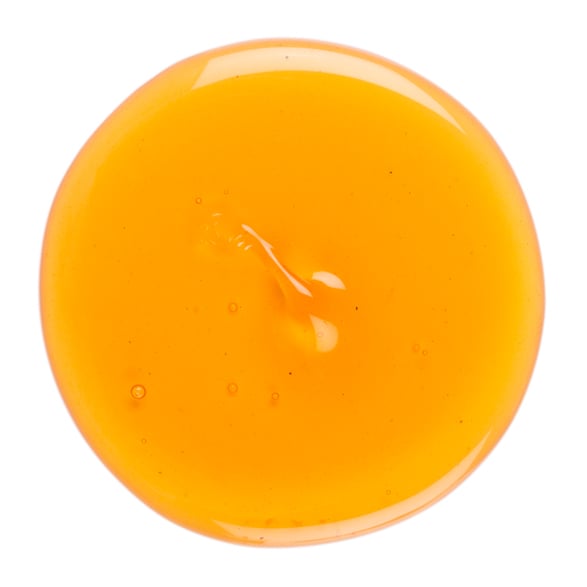
Carefully collected from wild bees’ hives, this honey has a unique dark amber colour and a rich, smoky aroma.
Where do we get it?
Lush UK and Japan* manufacturing sites purchase this honey from COMACO (Community Markets for Conservation). They are located in Zambia's Luangwa Valley, a place that experienced food shortages and malnutrition in the 1980s and a drastic decline in wildlife due to poaching and deforestation. COMACO was created in the early 2000s, driven by the desire to improve the lives of all beings in this valley.
Their model is to provide extensive training, support and economic security to farmers or anyone wishing to become one, including women, youths and former illegal poachers. The people involved must make a Conservation Pledge, agreeing to abide by a set of principles decided by the community and designed to protect the health of their soils, forests and wildlife. The economic stability brought to COMACO’s farmers by agriculture, beekeeping and conservation has helped to considerably reduce poaching in the region. Staple crops bring food security to the farmers and their families, and beekeeping supports forest conservation, helping to reduce the dependence on destructive forest activities such as illegal charcoal production.
Today the company works with over 300,000 farmers in eastern Zambia. In beekeeping specifically, COMACO support over 5000 beekeepers, including over 1500 reformed poachers. Over 50% of them are women, and 27% are below 35 years old. Wildlife is slowly but surely returning to the Luangwa Valley, including elephant populations.
*With several manufacturing sites across the globe, this information may vary depending on where your Lush products were made.
Animal Welfare
At Lush, we agree that the modern honey industry treats bees like farmed animals. To ensure their welfare is respected in our supply chain, we work with beekeepers who understand the importance of managing hives with consideration and of working in a minimally invasive way. We do not allow the use of harmful practices such as queen wing clipping or artificial rearing.
Where possible, we aim to work directly with beekeepers, but in any case, we ask for full traceability and adherence to our high standards. We actively encourage and select those who go beyond organic beekeeping and implement regenerative practices that positively impact local wildlife and the hives’ environment.
What are the benefits of honey for your scalp and hair?
- Humectant
- Antimicrobial
- Antioxidant
- Protective
- Conditioning
- Nutrient-rich
Because of its remarkable antimicrobial and humectant properties, honey also contributes to the preservation of products’ formulae.
Buzz buzz buzz
Bees collect nectar from flowers and carry it to their hives, where the worker bees convert it into honey. Half a kilogram of honey contains the essence of about two million flowers and the colour, fragrance and properties of honey vary depending on the varieties foraged. Bees need to make thousands of round trips to collect nectar, and a single bee produces only about a teaspoon of honey during its lifetime.